布蘭詩歌 | Carmina Burana
Carmina Burana
西班牙拉夫拉前衛劇團《布蘭詩歌》
Carmina Burana
▲ 節目類別 :音樂
Opera
▲ 演出時間與地點 :臺中夏綠地公園,臺中國家歌劇院前綠地(臺中市西屯區惠來路二段101號)
▲ 演出時間與地點 :臺中夏綠地公園,臺中國家歌劇院前綠地(臺中市西屯區惠來路二段101號)
Place :Summer Green Park
▲ 演出曲目 :卡爾.奧福:《布蘭詩歌》/ Carl Orff: Carmina Burana
古德文、法文與拉丁文演唱,中文字幕
部分節目內容含裸露與成人議題,敬請斟酌入場
演出版權由德國Schott Music授權
古德文、法文與拉丁文演唱,中文字幕
部分節目內容含裸露與成人議題,敬請斟酌入場
演出版權由德國Schott Music授權
Program :Carl Orff: Carmina Burana
Sung in old German, French & Latin with Mandarin subtitles
Peforming Rights grandted by Schott Music, Mainz, Germany
Sung in old German, French & Latin with Mandarin subtitles
Peforming Rights grandted by Schott Music, Mainz, Germany
▲ 節目長度約計70分鐘,無中場休息
Duration: Approximately 70 minutes with no intermission
演出內容介紹:
翻轉古詩歌激情面貌
全球追捧的世紀之作,亞洲震撼首演
全球追捧的世紀之作,亞洲震撼首演
西班牙拉夫拉前衛劇團(La Fura dels Baus)是特異、創新、善於改編、充滿節奏、不斷蛻變以及持續顛覆自己的全方位表演團體。 這些獨樹一格的特質,成就拉夫拉劇團兩個重要的藝術方向,亦即戲劇空間運用以及演出者與觀眾的關係。這兩個方向分別啓發巨大的影響,前者重新界定了傳統的空間概念;後者則將觀眾化被動為主動,徹底打破「第四道牆」的概念。每一次創新作品,他們都會承受一定的風險,但他們無畏無懼,更當作是信念,由首次的街頭運動開始建立,至今無所動搖。
拉夫拉前衛劇團持續不斷的透過集體創作、獨特的語言、風格與美學,確立了泉源不絕的好奇心以及在藝術潮流上推陳出新的必要。現今,他們的「夫拉語言」(furan language)已然運用至不同的藝術領域,例如歌劇、電影以及大規模的演出。
劇團的組合與改編創新能力,由肉慾到神靈,由自然到巧飾,由粗俗到成熟,由原始到科技,每一個演出都為拉夫拉前衛劇團帶來國際上的成功與讚譽。
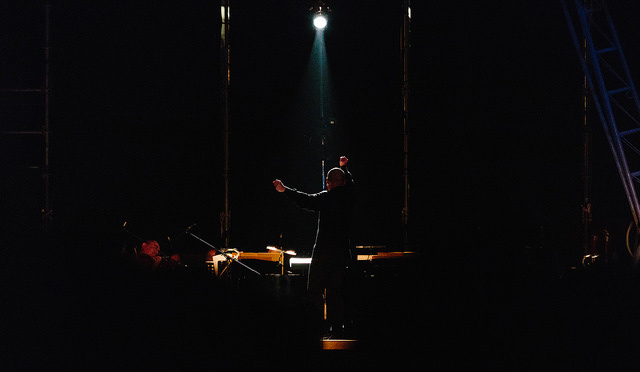
卡爾.奧福,二十世紀德國作曲家與音樂教育家,主張音樂必須以律動、舞台及語言相結合才能產生意義,透過屬於孩子天生的節奏與古老簡樸歌曲,而發展成世界知名的「奧福音樂教學」。1935年卡爾.奧福首次接觸到十二、三世紀漫遊學者的詩歌,他選取了24首詩篇,以簡單明快的旋律譜寫成充滿律動節奏的《布蘭詩歌》。樂曲以「噢!命運女神」貫穿首尾,歌詞內容描述命運的打擊、生命的輪迴與愛情的渴慕。西班牙拉夫拉前衛劇團與指揮簡文彬和國立臺灣交響樂團合作,共同演繹不絕如縷的節奏,並透過臺中在地藝文團隊的百人合唱,營造出搖滾震撼的動聽旋律。
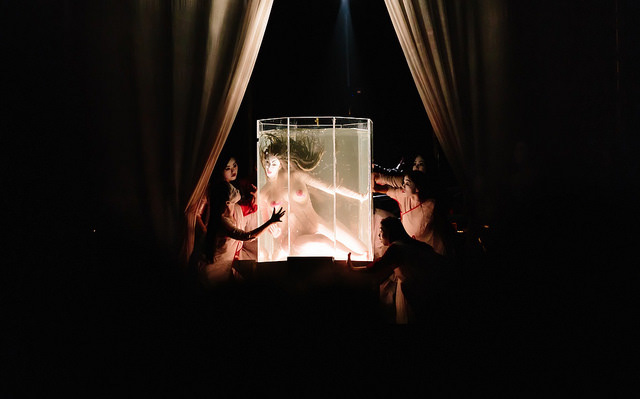
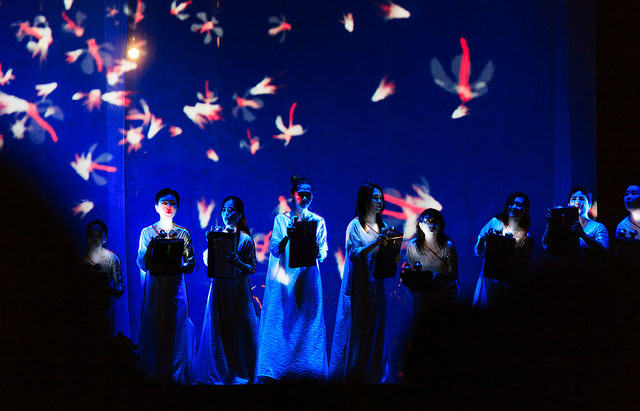
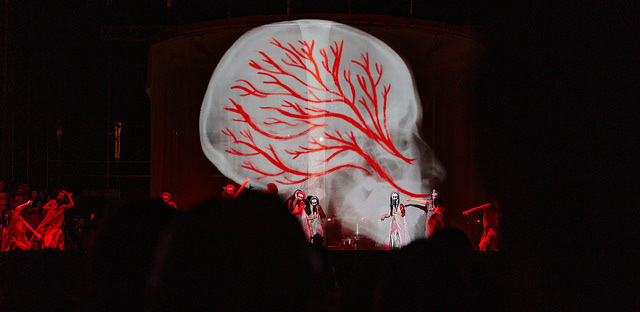
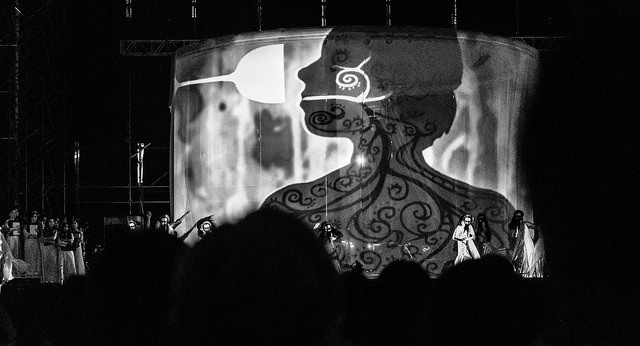
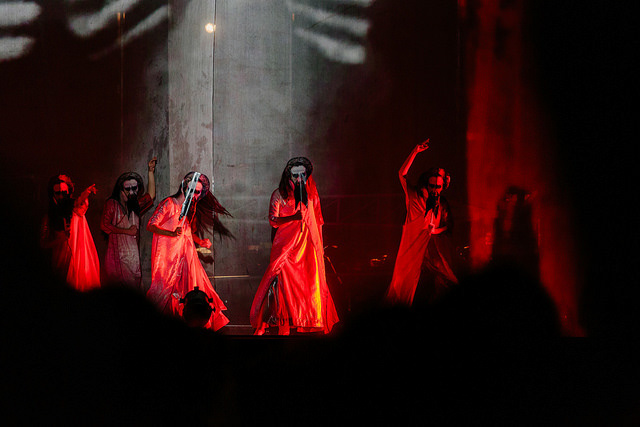
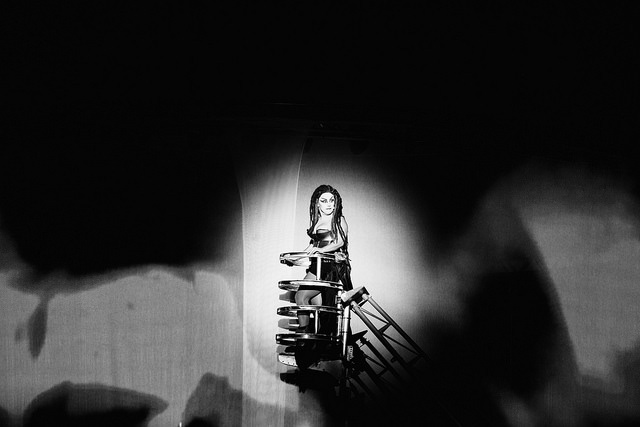
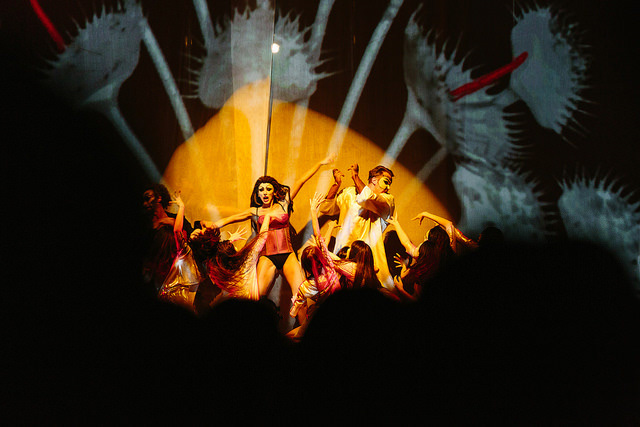
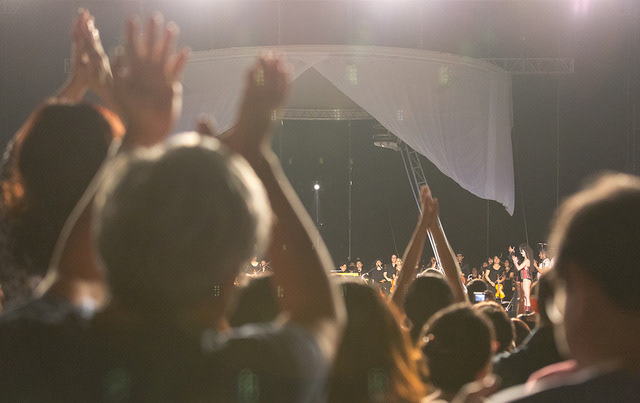
西班牙拉夫拉前衛劇團(La Fura dels Baus, Spain)自1979年成立以來,即以超凡無羈的視覺美學挑戰觀眾的感受與心靈,被公認是全球最具影響力的當代劇場創作群。導演卡帕德利薩的《布蘭詩歌》翻轉版即是以驚人的視覺影像、特效與機械手臂,讓觀眾全然沈醉於拉夫拉的神奇世界。 舞台上,10尺高的圓形紗幕環繞著樂團,特效影像隨著歌詞意境的轉換呈現於紗幕上。巨大月亮、冰雪溶解、瀑布、花海繽紛、葡萄豐收與命運轉輪等。拉夫拉前衛劇團的《布蘭詩歌》是音樂也是劇場,更是一個充滿感官刺激、活力與能量的製作,持續自音樂愛好者以及表演藝術粉絲尋找新的觀眾群。
這次拉夫拉前衛劇團的《布蘭詩歌》國內首演,歌劇院還邀請臺中本地具豐富演出經驗及口碑的表演藝術團隊參與演出,包括國立臺灣交響樂團與該團音樂顧問簡文彬擔任指揮、台中藝術家室內合唱團、以及臺中市惠文國小合唱團,將於臺中引領劇場藝術極致翻轉與開拓觀眾視野。
La Fura dels Baus is eccentricity, innovation, adaptation, rhythm, evolution and transgression. Such characteristic and unique essence led the company to pioneer the reconceptualization of two of the most significant aspects of the dramatic art: the theatrical space and the public. Thus, respectively, they redefined the space by moving it to non-conventional ones – and changed the public role from passive to active, which meant a breaking of the "fourth wall." And it is that there is no creation without risk – a compiled premise from the beginning, since their first street shows, where the authentic essence of La Fura was born.
The incessant curiosity and the need to explore new artistic trends have developed, through a process of collective creation, a unique language, style and aesthetic. Nowadays, this is called "Furan language," which has been implemented in different artistic genres, such as opera, cinema and large-scale performances.
The ability to bind and adapt carnality and mysticism, nature and artifice, rudeness and sophistication, primitivism and technology, in every performance, has given La Fura dels Baus its international success and prestige.
Synopsis:
Carl Orff, the 20th-century German composer and strong advocate of music education, believes that music can only be meaningful when it combines rhythm, language, and the stage. Orff developed an innovative approach to music education by appealing to children's innate sense of rhythm and love for simple folk songs. This approach is called "Orff Method."
In 1935, Orff discovered Carmina Burana, a collection of medieval poetry written by traveling scholars in the 12th and 13th centuries. He selected 24 poems and set them to music, giving them a new life in the form of a cantata that is distinguished by its straightforward melody and rhythm. "O Fortuna," which structurally frames Carmina Burana, laments the turning of the wheel of fortune, the reincarnation of life, and the longing for love. This November, Spain’s La Fura dels Baus joins forces with National Taiwan Symphony Orchestra, conductor Chien Wen-Pin, and local choirs to create the most spectacular theater experience.
This will be the debut of La Fura dels Baus' Carmina Burana in Taiwan. The National Taichung Theater has also invited several performing arts groups to join in the collaborative piece, including the National Taiwan Symphony Orchestra led by conductor Chien Wen-Pin; Taichung Artist Chamber Choir; and Taichung City Hui-Wen Elementary School Choir.